Summary
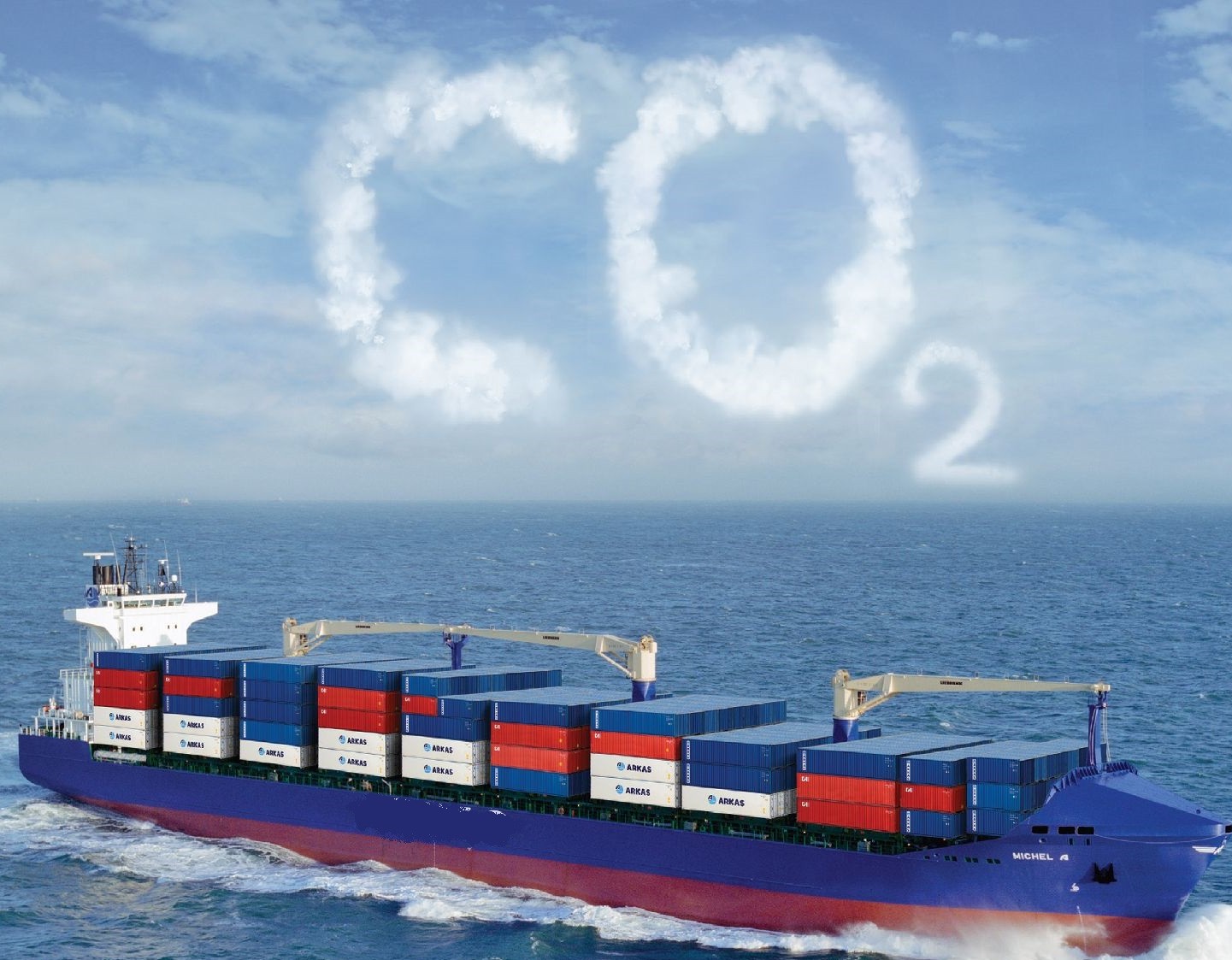
As part of this applied research initiative, the German University of Technology in Oman (GUtech), in collaboration with ASYAD and Cranfield University, addressed the growing challenge of carbon monoxide (CO) and carbon dioxide (CO₂) emissions from marine vessels. With over 90% of global trade transported by sea, emissions from maritime transport are expected to increase significantly, posing serious environmental and regulatory challenges for the shipping industry.
The primary objective of this project was to design and evaluate innovative post-combustion carbon capture, utilization, and storage (CCUS) techniques that can be deployed onboard vessels using conventional fuels. The research focused on developing a low-cost, environmentally friendly solvent-based system capable of simultaneously reducing CO₂ and sulphur dioxide (SO₂) emissions, while complying with International Maritime Organization (IMO) MARPOL Annex VI regulations.
The study generated important insights and practical outcomes:
- Integrated Emission Reduction: The proposed system enables simultaneous capture of CO₂ and SO₂ emissions in a closed-loop process without requiring changes to fuel type or engine configuration.
- Onboard Feasibility: Process modelling and simulation demonstrated the technical feasibility of integrating carbon capture systems within existing vessel infrastructure.
- Energy and Space Optimization: Utilization of existing waste heat recovery and re-liquefaction systems reduces additional space and energy requirements onboard ships.
- Cost-Effective Maritime Solution:The approach offers a practical and economically viable pathway for ship owners to meet current and future emission regulations.
- CO₂ Utilization Opportunities: Captured CO₂ can be reused in enhanced oil recovery (EOR), fertilizer production, and synthetic fuel applications, supporting circular economy objectives in Oman.
This initiative supports Oman’s commitment to environmental sustainability, strengthens maritime emission management, and demonstrates the value of academia–industry collaboration in addressing critical environmental challenges within the shipping sector.
Research Team Members:
Principal Investigator:
- Dr. Najah Al Mhanna – German University of Technology in Oman (GUtech)
Co-Investigators:
- Dr. Ahmed Al-Aamri – GUtech
- Dr. Yathrib Ajaj – GUtech
- Dr. Sausan Al-Riyami – GUtech